We are proud to introduce Toggel, our new technological system that keeps you, as a parent, updated in real-time on your child’s daily activities and progress! With Toggel, you can monitor their sleep, eating, and play routines directly from your smartphone, giving you the peace of mind that your child is always safe and happy.
Preschool Power
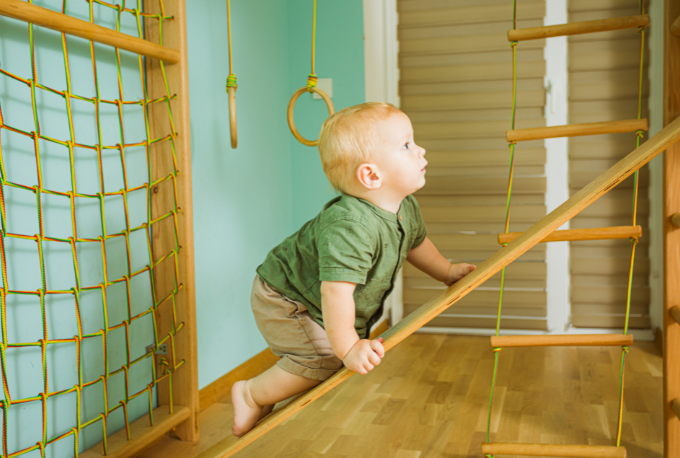
Movement / Ball Skills / Yoga
Constructive and Popular Sports Activities
Muscle Strengthening and Toning
Decision Making and Balance
Spatial Awareness
Eye-Hand Coordination and Sensory-Motor Integration
Chatty Bugs
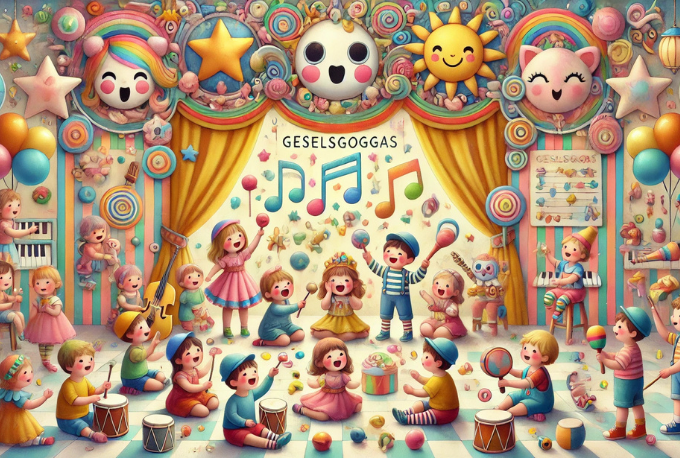
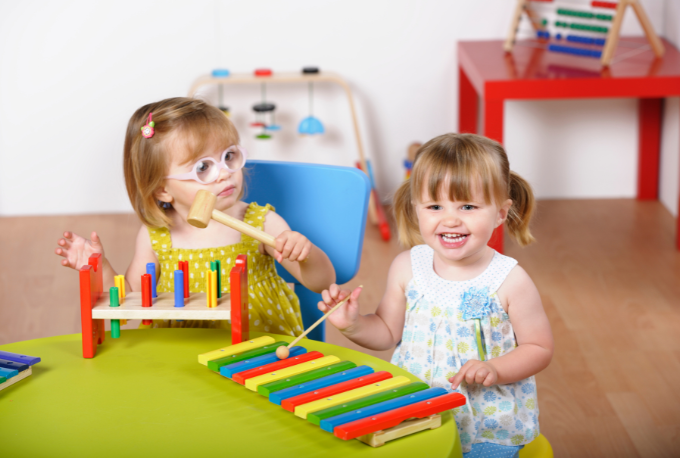
Drama and Storytelling, Music, Dance, and Movement
Promotes self-confidence
Fosters imagination
Teaches body awareness
Encourages spontaneity
Ignites creativity
Develops rhythm as a foundational preschool skill for reading and mathematics
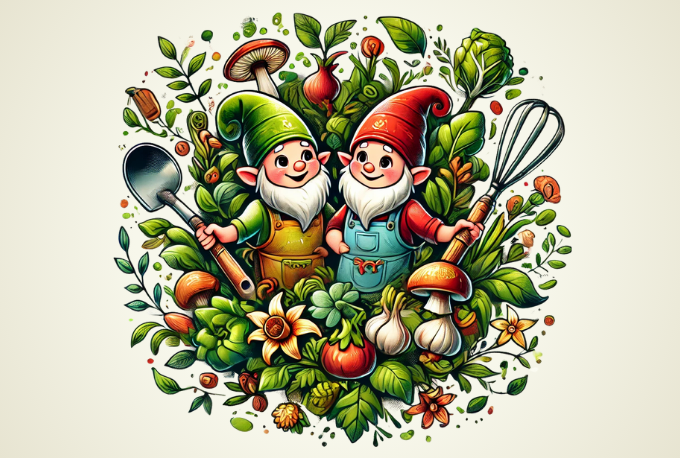
Food Gnomes
A Dash of Science, Creativity, Nature, and Healthy Food Fun
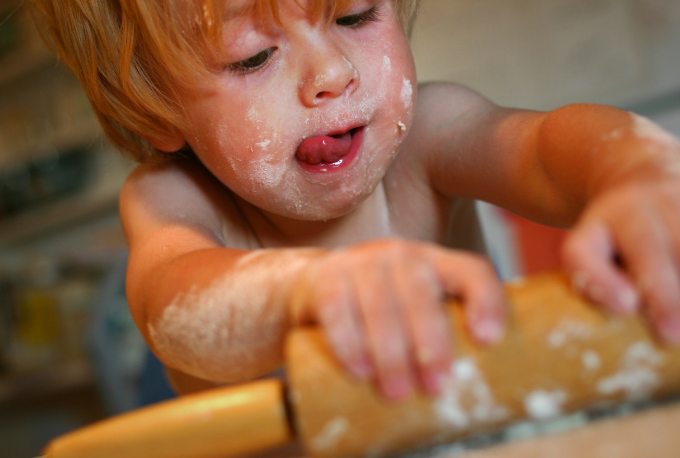
Our lessons incorporate science and mathematics through activities such as baking and crafting, gardening, and discovering new flavors. This approach offers an introduction to science by making simple foods. Each school has its own herb garden, which contributes to the development of practical life skills.
Our curriculum also focuses on:
Mathematical Skills: Measuring and timekeeping
Reading Skills: Incidental reading through picture-based recipes
Decision-Making and Balance: Critical thinking and fine motor skills
Listening, Concentration, and Planning: Essential skills for success
Eye and Hand Coordination: Along with sensory-motor integration
With this, we provide a holistic learning experience that not only strengthens academic knowledge but also promotes practical skills and creativity.
Robotics and Coding
Promotion of technological skills (we predict that robotics and coding will soon be mandatory in most primary schools)
Perception
The development of perceptual skills in young learners is extremely important in laying the foundation for all future development and learning. Perception means using the senses to gather information about the environment or situation. The development of perceptual skills can occur in all forms of learning.
Visual perception, visual discrimination, and visual memory.
Auditory perception, auditory discrimination, and auditory memory.
Midline crossing.
Bible
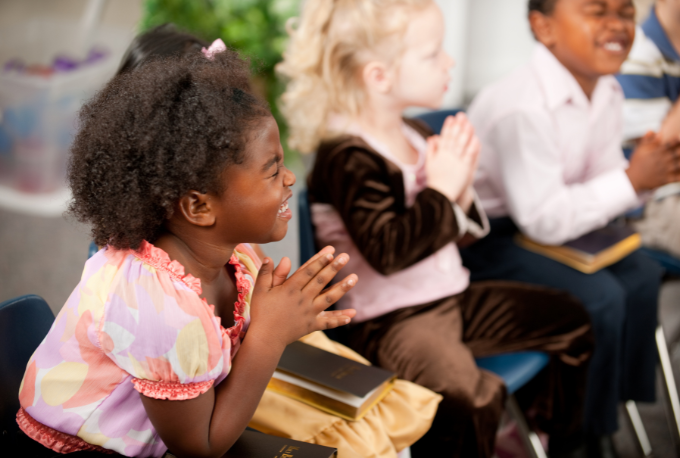
Spiritual enrichment through stories, songs, and worksheets – establishing a system of values.
Visual perception and visual discrimination
Auditory perception and auditory discrimination
Art
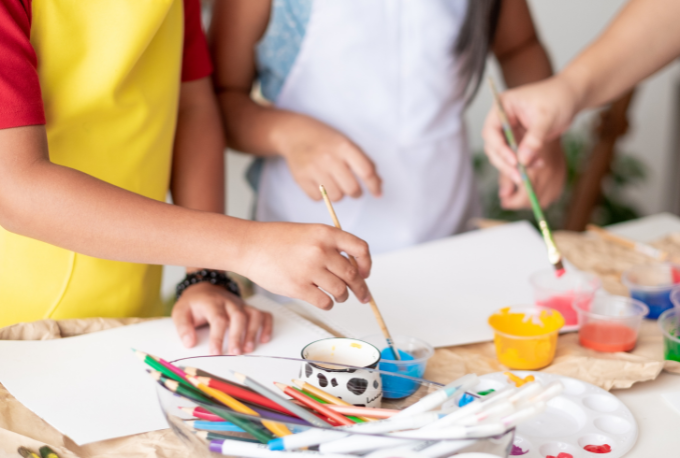
Art teaches a child to engage with their environment and to interpret it creatively – and it’s a lot of fun!
Visual perception
Visual discrimination
Midline crossing
Spatial perception
Bake and Brew
The use of all their senses – to smell, taste, touch, hear, and see. Learning mathematical language through measuring and estimating (e.g., a large cup or two teaspoons, etc.) develops hand-eye coordination and auditory perception.
Science
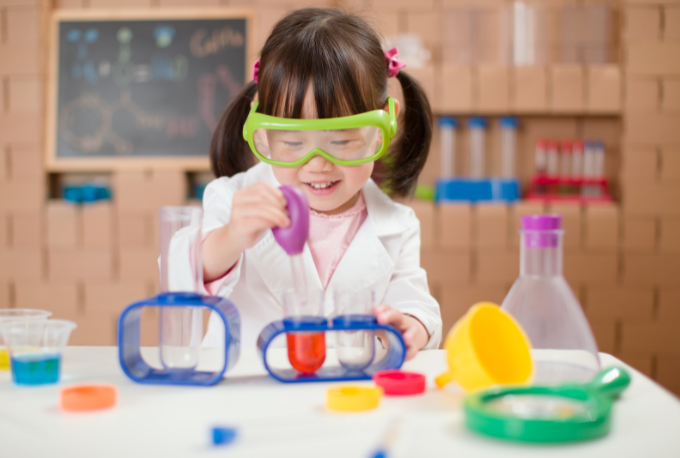
The expansion of general knowledge through facts, observations, and experimentation.
Auditory perception and auditory discrimination.
Life Orientation
It’s all about the development and strengthening of the entire body, and learning how to use it by mastering a range of skills. This includes gross motor skills, such as kicking a ball, as well as fine motor skills like developing a proper pencil grip. Additionally, it enhances hand-eye coordination, body awareness, midline crossing, laterality, dominance, and auditory perception.
Music
Music and movement are excellent for children’s overall well-being and relaxation. They promote bilateral coordination and encourage improvisation, while enhancing auditory perception, auditory discrimination, and auditory memory.
Educational Play
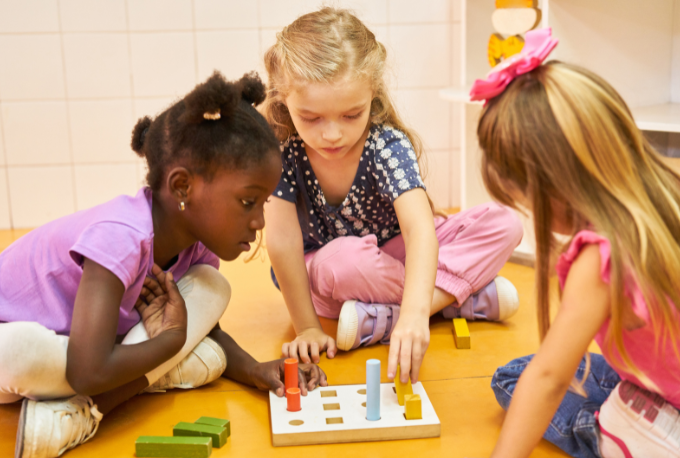
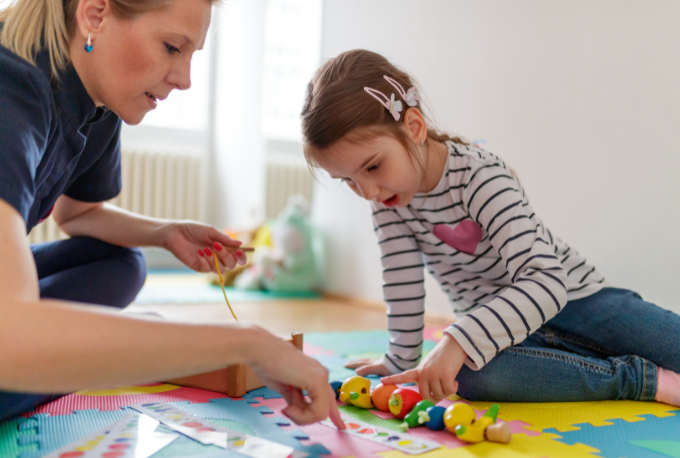
It’s learning through play—whether it’s problem-solving, fine motor skills, concentration, etc. Educational play must always be organized and structured, and always supervised.
Visual perception, visual discrimination, and visual memory
Auditory perception, auditory discrimination, and auditory memory
Midline crossing
Language Skills
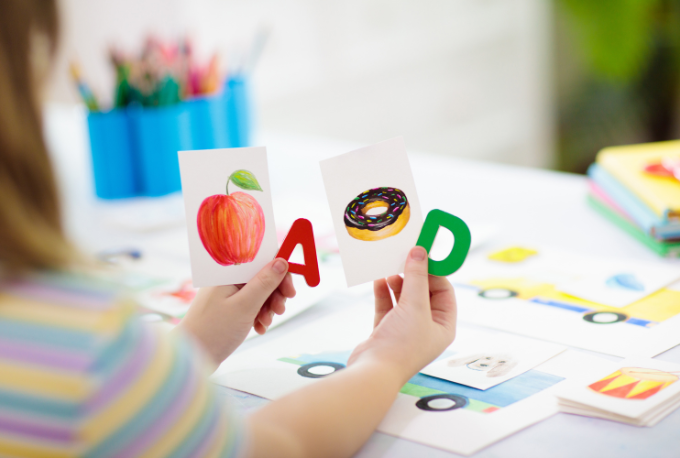
The acquisition of a pure language with a rich vocabulary and correct pronunciation. The learning of idioms, proper forms, and accurate reading fluency.
Mathematics Skills
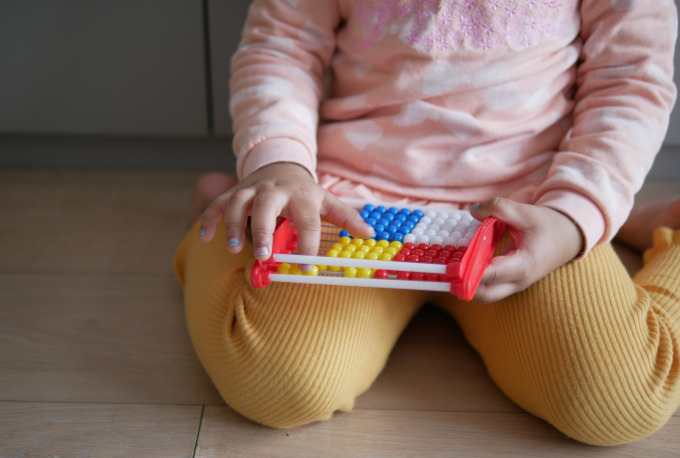
Develop counting, numeral recognition, and an understanding of mathematical language (e.g., first, last, shortest, longest, etc.). Also, develop skills in sorting, grouping, pattern recognition, and shape perception.